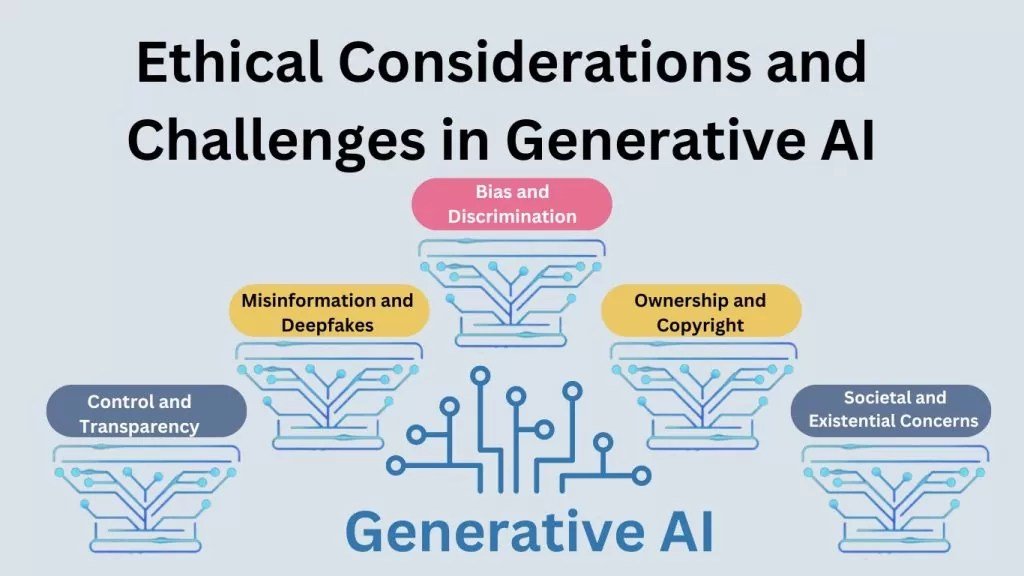
The human voice, in all its unique inflections and cultural nuances, is a cornerstone of identity. Now, artificial intelligence can replicate, generate, and even modify it with astonishing fidelity. This isn't just about Siri or Alexa anymore; we're talking about deep learning models capable of rendering human speech with authentic tone, pacing, and emotional depth. From marketing campaigns to accessibility tools and immersive gaming experiences, the reach of AI voice generation, specifically neural text-to-speech (TTS), is expanding at an unprecedented rate.
But with great power comes profound responsibility. As we stand on the precipice of this vocal revolution, the 'Ethical Considerations & Future of AI Accent Generation' aren't just academic talking points; they are urgent matters of privacy, ownership, cultural preservation, and public trust. Navigating this new soundscape requires a clear understanding of the opportunities and the very real risks, ensuring technology serves humanity, not the other way around.
At a Glance: Navigating the Ethical AI Voice Landscape
- Consent is King: Always obtain informed, documented permission (via "Model Release") for voice data collection, training, or cloning, defining precise usage parameters.
- Ownership Matters: Clarify who owns what—the vocal likeness, the AI model, and the generated audio file—through robust contractual agreements.
- Transparency is Crucial: Explicitly disclose when audio is AI-generated to build trust and prevent deception, especially in sensitive contexts.
- Beware of Impersonation & Deepfakes: Understand the significant risks of identity theft, fraud, and misinformation stemming from unauthorized voice replication.
- Protect Diversity: Actively combat accent neutralization technologies that homogenize voices, and instead champion sonic diversity and cultural inclusion.
- Stay Legal: Recognize voices as biometric data, adhere to data protection laws like GDPR and CCPA, and prepare for emerging AI-specific regulations (e.g., EU AI Act).
- Platform Accountability: Demand that AI providers enforce consent, ensure revenue sharing, and implement strong content moderation.
The Unseen Revolution: How AI Voices Are Changing Our World
Imagine a world where audiobooks are narrated in countless languages by the same beloved actor's voice, where educational content speaks directly to students in their local dialect, or where assistive technologies flawlessly articulate complex ideas for those with speech impairments. This is the promise of AI voice generation, a field leveraging deep learning to create synthetic voices that are virtually indistinguishable from human speech. From captivating audio advertisements to dynamic NPC voices in video games and personalized customer support, the applications are as diverse as they are impactful.
This technology, often called neural TTS, doesn't just string together pre-recorded words. It learns the intricacies of human speech—the subtle pauses, the emotional inflections, the unique cadences of individual voices and accents—to synthesize entirely new utterances from text. The result is an audio experience that feels inherently human, pushing the boundaries of what's possible in digital communication.
However, beneath the surface of innovation lie profound ethical quandaries. The very power that makes AI voice generation so transformative also makes it susceptible to misuse, raising critical questions about rights, identity, and the future of human interaction.
Core Ethical Fault Lines in AI Accent Generation
The ability to generate or manipulate accents through AI brings a unique set of ethical challenges. While the technology can enhance communication and entertainment, it also opens doors to exploitation and deception.
Voice Impersonation & Identity Theft: A Digital Doppelgänger Threat
One of the most immediate and alarming risks is the potential for AI to perfectly mimic an individual's voice without their permission. Imagine a deepfake audio of a politician making a fabricated statement, a CEO authorizing a fraudulent transfer, or a celebrity endorsing a product they've never seen. This isn't science fiction; it's a present danger.
Such impersonation can bypass voice-activated security systems, enable sophisticated phishing scams, and even lead to identity theft. The more convincing the synthetic voice, the greater the potential for harm, making explicit consent and robust verification processes non-negotiable safeguards.
Misinformation, Deepfakes, and Digital Deception
The rise of deepfake audio poses a significant threat to trust and truth. AI-generated voices can be used to create entirely fake recordings, spreading lies, manipulating public opinion, or fabricating evidence. In an increasingly digital world, where distinguishing between real and synthetic content becomes harder, the implications for journalism, politics, and social cohesion are chilling.
The ease with which these deepfakes can be produced and disseminated demands urgent attention, requiring both technical solutions for detection and clear ethical guidelines for creators and platforms.
Unauthorized Commercial Exploitation of Vocal Likeness
For voice actors, musicians, and public figures, their voice is their livelihood and a core part of their personal brand. AI now allows their unique vocal likeness to be cloned and used in advertisements, narratives, or any commercial venture without their knowledge, permission, or compensation. This "digital theft" of a voice actor's signature sound undermines their professional autonomy and economic security.
Clear contractual agreements and royalty models, rather than one-time buyouts, are essential to protect the rights of voice talent in an age where their vocal imprint can be endlessly replicated. Without these protections, the technology risks exploiting artists and devaluing human creativity.
The "Accent Neutralization" Dilemma: Homogenization vs. Diversity
Perhaps one of the most insidious ethical considerations, particularly within accent generation, is the push towards "accent neutralization" technologies. These AI systems are designed to modify a speaker's accent in real-time, often aiming for a perceived "Standard American unaccented English" (SAE). The underlying assumption is that certain accents are "less desirable" or "harder to understand," leading to a subtle but pervasive form of discrimination.
The problem? Everyone speaks with an accent. SAE itself is a constructed norm, not an absence of accent. Technologies that "neutralize" accents risk homogenizing and "whitewashing" diverse vocal identities, directly contradicting pledges for multicultural inclusion and diversity. Such tools can disconnect consumers from places, products, and history, erasing the rich tapestry of human speech.
Instead of trying to erase accents, the ethical path forward is to celebrate sonic diversity. The ability to generate a wide array of authentic regional and national accents—whether it's an online Australian accent generator for an e-learning course or a nuanced regional dialect for a character in a game—should aim to enrich, not diminish, the spectrum of human voices. The focus should be on clarity and cultural authenticity, not on enforcing a singular, artificial standard.
Navigating Consent and Ownership in a Synthetic Soundscape
At the heart of ethical AI voice generation lies the foundational principle of respect for individual autonomy and property rights. This translates directly into robust frameworks for consent and ownership.
The Paramountcy of Informed Consent
Using someone's voice, whether to train an AI model or to clone their specific vocal likeness, requires explicit, informed, and documented permission. This isn't a mere checkbox; it's a comprehensive "Model Release" that clearly defines:
- Specific Usage Parameters: What exactly will the voice be used for (e.g., audiobooks, marketing, customer service)?
- Duration: How long can the generated voice be used?
- Geography: In which regions or countries is usage permitted?
- Modification Rights: Can the generated voice be altered or combined with other voices?
Crucially, if the intended purpose for a synthetic voice changes, additional permission and fair compensation are necessary. Without this granular level of consent, any use risks legal challenge and reputational damage.
Protecting the Deceased: Estate-Level Consent
The ability to "resurrect" the voices of deceased individuals—for documentaries, historical reenactments, or even new artistic creations—raises unique ethical dilemmas. While technologically feasible, using the voice of someone no longer living requires the same, if not greater, reverence and legal diligence.
Ethical frameworks increasingly recommend requiring estate-level consent. This means the family or legal estate of the deceased must agree to the usage, treating the voice as a protected asset. This honors the individual's legacy and prevents unauthorized commercial exploitation of their likeness posthumously.
Defining Voice Ownership: Who Owns What?
The question of ownership in the AI voice ecosystem is complex, often blurring the lines between human and machine. Generally, the breakdown is as follows:
- The Voice Actor: Retains rights to their unique vocal likeness and the original sound recordings used for training.
- The AI Platform: Owns the underlying software model and the algorithms used to generate the synthetic voice.
- The User/Client: Typically owns the copyright to the specific audio file generated if they have properly licensed the voice and adhere to all usage terms.
Clear, meticulously drafted legal contracts are absolutely essential to define these lines, preventing disputes and ensuring fair compensation and usage rights for all parties involved. Ambiguity here is a recipe for conflict.
The Evolving Legal & Regulatory Framework for AI Voices
Governments and legal bodies worldwide are grappling with how to regulate AI voice generation, recognizing its potential for both innovation and harm. The legal landscape is rapidly evolving, demanding vigilance and proactive compliance.
Voices as Biometric Data: A Legal Shift
Increasingly, voice prints are being treated as biometric identifiers under data protection laws. This reclassification elevates the legal protections afforded to an individual's voice, requiring more stringent rules around its collection, storage, and use.
The "Right of Publicity" further reinforces individual control, granting people the exclusive right to control the commercial use of their identity, including their voice. This means that using a recognizable voice for commercial gain without permission is a direct infringement of personal rights.
Commercial vs. Personal Use: Understanding the Stakes
The distinction between personal and commercial use is a critical legal watershed. While some AI voice tools offer "free for personal use" licenses, leveraging such voices for any commercial purpose (e.g., advertising, monetized content, business communications) without proper commercial licensing almost invariably leads to legal action.
Commercial usage demands stricter licensing terms, explicit proof of consent, and often, appropriate compensation for the voice contributor. Companies and individuals must scrutinize license agreements carefully to avoid costly legal pitfalls.
Global Data Protection and Emerging AI Legislation
The world's leading data protection laws are already addressing aspects of AI voice:
- GDPR (General Data Protection Regulation - EU): Treats voice prints as a category of "special categories of personal data" (biometric data), requiring explicit, affirmative consent for processing.
- CCPA (California Consumer Privacy Act - US): Extends privacy rights to biometric and personal audio data, granting consumers rights like data deletion and transparency regarding usage.
Beyond existing data protection, global bodies are actively drafting AI-specific laws. The EU AI Act, for instance, categorizes deepfake voice cloning as a "high-risk" AI system, mandating strict compliance requirements. In the US, the FTC (Federal Trade Commission) is examining consumer protection violations related to deceptive AI voice usage. Future laws are expected to mandate watermarking and registration of synthetic voices, making their origin identifiable.
Beyond Creative Commons: Custom AI Licensing
Traditional licensing models, like Creative Commons, are often insufficient for the nuanced complexities of AI voice generation. They weren't designed to address issues like:
- The generation of new, derivative works from a voice.
- The potential for malicious or deceptive use.
- The perpetual control over a cloned vocal likeness.
As a result, custom AI licenses are emerging. These bespoke agreements address specific usage restrictions (e.g., forbidding political ads, adult content, or hate speech), define ownership in the AI context, and clarify compensation models. Navigating AI voice requires moving beyond generic licenses to tailor-made legal frameworks.
Building Trust Through Transparency and Accountability
In an age where synthetic media can easily deceive, trust becomes the most valuable currency. For AI voice generation to thrive ethically, transparency and accountability must be baked into every layer of its development and deployment.
The Imperative of Clear Disclosure
The golden rule for ethical AI voice usage is clear, explicit disclosure. Whenever audio content is AI-generated, audiences must be informed. This could take the form of:
- A verbal disclaimer at the beginning of an audio piece ("This voiceover was generated by AI").
- A textual notice accompanying the audio ("Voice generated by AI technology").
- A visual cue if the audio accompanies video.
Misleading listeners into believing an AI voice is human, especially in contexts like news reporting, customer service, or political messaging, is fundamentally deceptive. Transparency isn't just about compliance; it's about building and maintaining public trust in the technology.
Technical Guardians: Watermarking and Traceability
While disclosure is a human responsibility, technology can aid accountability. Technical solutions like audio watermarking and traceability tools are becoming crucial.
- Audio Watermarking: Embedding imperceptible digital markers within synthetic speech can help identify its origin and distinguish it from genuine human audio.
- Traceability Tools: These systems could potentially track which AI platform generated a particular synthetic voice, providing a chain of accountability back to the source.
These technical safeguards are vital for detecting deepfakes, combating misinformation, and holding creators and platforms responsible for the content they generate.
Platform Responsibilities: Guardians of Ethical AI
AI voice generation platforms bear a significant ethical burden. Their responsibilities extend beyond merely providing the technology to actively fostering its responsible use:
- Enforcing Consent Verification: Platforms must implement robust mechanisms to ensure users have legitimate consent for the voices they are cloning or using. This might include live verification scripts or stringent documentation requirements.
- Usage Restrictions: Implementing and enforcing clear usage restrictions is paramount. Platforms should prohibit the generation of political deepfakes, adult content, hate speech, or any content deemed deceptive or harmful. Robust content moderation systems are essential.
- Revenue Sharing and Royalties: Moving away from one-time buyouts, platforms should explore and implement fair revenue sharing and royalty models for voice contributors. This ensures that those whose vocal likenesses power the AI continue to benefit from its ongoing commercial use.
Ultimately, AI providers have a moral and legal obligation to act as stewards of this powerful technology, ensuring it is used constructively and ethically.
Your Playbook for Responsible AI Voice & Accent Generation
Adopting ethical standards isn't just about avoiding legal trouble; it's about building long-term trust, fostering innovation, and upholding human dignity. Here’s an actionable playbook for anyone engaging with AI voice and accent generation:
1. Always Seek Licensed & Consented Voices
Never assume. Before using any AI-generated voice, confirm that it has been obtained with proper licenses or explicit, documented consent from the original voice actor or their estate. If in doubt, acquire your own licensed voice talent or verify the platform's consent protocols meticulously.
2. Stipulate Clear Usage Rights in Contracts
When commissioning or licensing AI voice, ensure your contracts explicitly define the specific usage parameters: duration, geographical scope, intended purpose, and any modification rights. Ambiguity leads to conflict. For voice actors, negotiate clearly defined rights and compensation for the use of your voice in AI models.
3. Be Transparent: Disclose AI Generation
Make it a non-negotiable best practice to always inform your audience when audio content is AI-generated. A simple, clear disclaimer (verbal or textual) builds trust and helps differentiate synthetic media from human performance. This is especially critical in news, customer service, and public communication.
4. Strictly Avoid Unauthorized Impersonation
Do not use AI voice technology to impersonate real individuals (politicians, celebrities, private citizens) without their direct, verifiable permission. This includes creating deepfakes that could mislead, defraud, or defame. Prioritize ethical use over sensationalism.
5. Regularly Audit Data & Licenses for Compliance
The legal and ethical landscape for AI is dynamic. Regularly review your voice datasets and licenses to ensure ongoing compliance with evolving data protection laws (like GDPR, CCPA) and emerging AI-specific regulations. What was permissible last year might not be today.
6. Champion Sonic Diversity, Don't Neutralize It
Actively resist technologies that aim to "neutralize" or homogenize accents. Instead, embrace and celebrate the rich tapestry of human sonic diversity. When selecting voice talent for AI generation or content, prioritize inclusion and authenticity. Distinguish between achieving a consistent brand voice and the harmful practice of accent minimization. The goal should be to allow diverse voices to be heard clearly and respectfully, not to erase them.
7. Embed Ethics into Your Deployment Strategy
Organizations adopting AI voice technologies should integrate ethical considerations from the outset. This means establishing internal guidelines, training staff, and prioritizing ethical deployment in all phases—from data collection and model training to application and distribution. An ethical approach reduces legal risk, protects individuals, and builds long-term public trust in these powerful technologies.
The Road Ahead: Harmonizing Innovation and Integrity
The future of AI accent generation is not just about technological prowess; it's about the ethical choices we make today. As AI's ability to mimic and generate human voices grows, so too does our responsibility to wield this power with care. By prioritizing informed consent, upholding ownership rights, championing transparency, and celebrating the diversity of human speech, we can ensure that AI voice technologies serve as tools for empowerment and connection, rather than instruments of deception or homogenization.
The path forward demands continuous dialogue between technologists, ethicists, legal experts, artists, and the public. Only through such collaborative effort can we navigate the complexities of this new vocal frontier, building a future where innovation is harmonized with integrity, and every voice, synthetic or human, is treated with respect.